|


Brazil : São Paulo
14.1 km (8.8 miles) WSW of Itapeva, São Paulo, Brazil
Approx. altitude: 697 m
(2286 ft)
([?] maps: Google MapQuest OpenStreetMap ConfluenceNavigator)
Antipode: 24°N 131°E
Accuracy: 5 m (16 ft)
Quality: good
Click on any of the images for the full-sized picture.
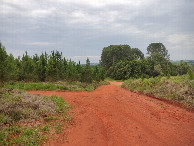
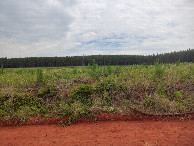
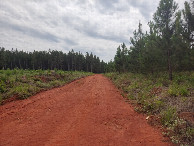
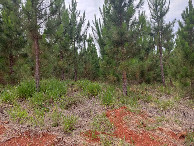
| 24°S 49°W (visit #2) |
![Visit #1: [28-Feb-03]](/br/all/s24w049/preview.jpg "Visit #1: [28-Feb-03]")
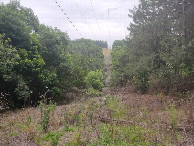
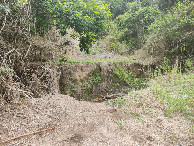
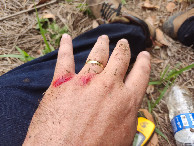
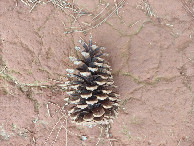
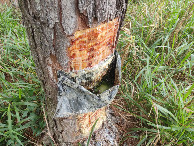
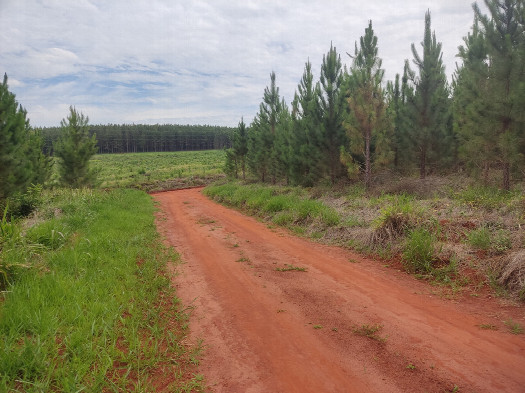 (visited by José Eduardo Guimarães Medeiros) 01-Dec-2025 -- Nos meses de novembro e dezembro, tirei três semanas de férias. Na primeira semana, viajei com minha família para Porto Seguro, na Bahia. A segunda semana passei na casa dos meus pais, em Lavras, sul do estado de Minas Gerais. Finalmente, a terceira semana foi dedicada a visitas a confluências. No dia 30 de novembro, saí de Lavras às 9h10min e viajei por 660 quilômetros até a cidade de Itapeva, em São Paulo, a mais próxima da primeira confluência que eu pretendia visitar. Coincidentemente, durante a viagem, passei muito próximo de uma outra cidade também chamada Itapeva, no estado de Minas Gerais. Ao longo da viagem, parei para tomar um lanche, em substituição ao almoço, próximo à cidade de Estiva. Cheguei a Itapeva às 17h50min. No dia seguinte, 1 de dezembro, saí de Itapeva às 8h e segui rumo à confluência 24S 49W. A confluência localiza-se sobre uma estrada de terra, mas o traçado das estradas é confuso, uma vez que são internas a fazendas. Por isso, deixei o carro em um restaurante à beira da rodovia que liga Itapeva a Itararé e fiz uma longa caminhada até o ponto exato. Considerando ida e volta, percorri a pé um total de quase 13 quilômetros. A maior parte da caminhada foi por estradas de terra, mas houve um pequeno trecho bastante difícil. Seguindo a área de servidão sob uma linha de transmissão de energia elétrica, desci um trecho de mato muito íngreme, tive que descer em uma vala profunda com um riacho ao fundo e subir do outro lado. Desta vez, ao contrário do que fiz na visita à confluência 16S 49W, em Goiás, eu não atravessei o riacho com meus tênis e minhas meias. Tomei a decisão óbvia e correta: tirei os tênis e as meias e atravessei o riacho descalço. Voltei a calçá-los após a travessia. Na subida íngreme do outro lado do riacho, acabei escorregando e caí, machucando minha mão esquerda, conforme mostra uma das fotos. Após vencido o trecho mais difícil, peguei uma estrada de terra e caminhei até o ponto exato sem dificuldades adicionais. Praticamente toda a caminhada é feita através de uma fazenda de plantação de pinheiros. As pinhas estão espalhadas por todos os lados e cada árvore contém um saco que coleta a resina, conforme mostram as fotos. Com esta visita, eu completo 18 das 23 confluências de São Paulo, e é provável que eu não visite mais confluências nesse estado, porque as cinco restantes se localizam em alto mar ou em áreas de difícil acesso. São Paulo foi o segundo estado em que eu visitei uma confluência, depois de Minas Gerais, e ele se manteve em segundo lugar em número de visitas ao longo de vários anos, sendo recentemente superado por Goiás. Atualmente, ele ainda ocupa o terceiro lugar em número de visitas. No caminho de volta, embora eu pudesse tentar desviar do trecho mais difícil, seguindo a estrada de terra, optei por passar pela vala, uma vez que, pelo menos, eu teria a possibilidade de encher a minha garrafa de água no riacho, algo fundamental para enfrentar os quilômetros de retorno. Cheguei ao carro após 4 horas de caminhada. Tomei um lanche, em substituição ao almoço, exatamente no local onde deixei o carro. Depois, segui viagem rumo à segunda confluência do dia. Esta narrativa continua na visita à confluência 24S 50W. 01-Dec-2025 -- In the months of November and December, I got three weeks of vacations. At the first week, I travelled with my family to Porto Seguro coastal city, Bahia state. The second week, I spent it at my parents’ home, at Lavras city, south of Minas Gerais state. Finally, the third week was dedicated to confluence visits. At November 30, I left Lavras at 9:10 and travelled by 660 kilometers up Itapeva city, São Paulo state, the nearest to the first confluence that I intend to visit. Coincidentally, during the trip, I passed very near other city also named Itapeva, in Minas Gerais state. During the trip, I stopped to take a snack, replacing the lunch, near Estiva city. I arrived at Itapeva at 17:50. At the following day, December 1, I left Itapeva at 8:00 and headed to the 24S 49W confluence. The confluence lies on a dirt road, but the roads are confused, because they are inside the farms. Then, I left the car at a restaurant at the edge of the highway between Itapeva and Itararé cities and made a long hike up to the exact point. I hiked almost 13 kilometers round way. The majority of the hike was by dirt roads, but there was a very hard leg. Following under a power line, I descended a very steep bush area. Then, I descended a ditch with a stream and ascended on the other side. In this time, in opposite to I had made at 16S 49W confluence visit, in Goiás state, I didn’t cross the stream with my tennis and sockets. I take the obvious and correct decision: I took them off and crossed the stream barefoot. After crossing, I put them again. At the steep climbing on the other side, I slipped and fell down, hurting my left hand, as shown in one of the photos. After winning the hardest leg, I caught a dirt road and hiked up to the exact point without any new hardness. Almost all the way is by a pine tree plantation area. The conifer cones are spread all around and each tree has a bag that collects the resin, as shown in the photos. With this visit, I completed 18 out of 23 confluences in São Paulo state, and it’s likely that I never visit new confluences in this state, because the five remaining ones lies offshore or in areas with hard access. São Paulo was the second state where I had visited a confluence, after Minas Gerais state, and it had kept the second state in terms of number of visits during several years. Recently, it was surpassed by Goiás state. Currently, it is yet the third state in terms of number of visits. When coming back, although I can attempt to avoid the hardest leg, following the dirt road, I opted to pass by the hardest leg, because, at least, I would have the opportunity to fill my water bottle at the stream, something very important to face the remaining kilometers. I arrived at the car after 4 hours of hiking. I take a snack, replacing the lunch, exactly at the place where I had parked the car. Then, I resumed the trip heading to the second confluence of the day. This narrative continues on 24S 50W. |
| All pictures |
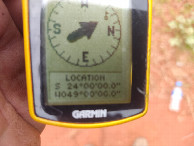
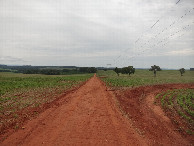
| #1: Visão geral - general view #2: Visão oeste - west view #3: Visão norte - north view #4: Visão leste - east view #5: Visão sul - south view #6: GPS #7: Longa caminhada até a confluência - long hiking to the confluence #8: Trecho mais difícil - hardest leg #9: Travessia da vala com um riacho ao fundo - crossing the ditch with a stream #10: Machuquei a mão ao escorregar e cair - I hurted the hand when I slip and fell down #11: Pinhas espalhadas por todos os lados - conifer cones spread all around #12: Coleta de resina do pinheiro - collecting resin from the pine tree ALL: All pictures on one page |